
by Coline Roux, Executive Director of AFEN
Highlights of the AFEN x Carbon Gap Event
- Nine French startups presented concrete solutions for carbon removal (EDC), demonstrating that the industry is taking shape.
- 2026: A pivotal year, with projects in the demonstration phase and the first operational plants.
- The political urgency: France must align its strategy with that of its neighbors (e.g., Germany) to avoid falling behind technologically and industrially.
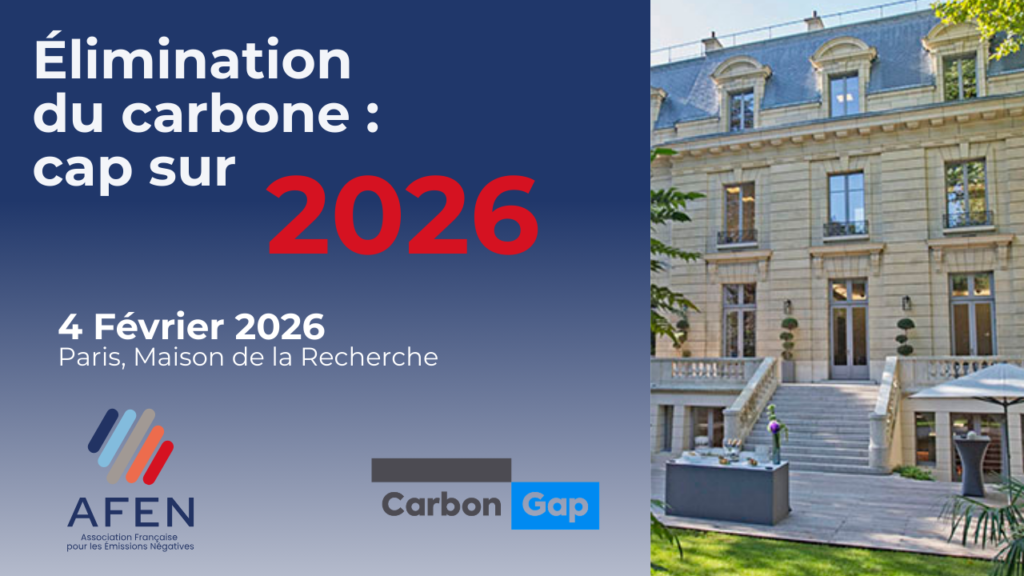
2026: The Year Everything Gains Momentum
On February 4, 2026, AFEN and Carbon Gap hosted a major event at the Maison de la Recherche focused on carbon elimination (EDC). The goal? To take stock of the sector’s progress and rally all stakeholders to step up their efforts.
The conclusion of the day is unequivocal: as the scientific consensus affirms—given that we have overshot climate targets—carbon removal is no longer an option, but an essential pillar in the fight against global warming. According to the IPCC, 10 gigatons of CO₂ will need to be removed from the atmosphere each year by 2050 to limit global warming to 1.5 °C.
France is making progress, but not as quickly as its neighbors. To avoid falling behind in this strategic sector, it must now turn its ambitions into reality. The industry and project developers need a clear national vision, backed by a robust regulatory framework, in order to scale up from demonstration projects to the gigatons of capacity needed by 2050.
France lags behind countries such as Germany, which has already laid out its strategy and allocated 500 M€ through 2033.
»2026 must be the year we scale up our efforts. Otherwise, we risk missing the boat," concluded Karim Rahmani, vice president of AFEN.
The Event at a Glance: A French Momentum Taking Shape
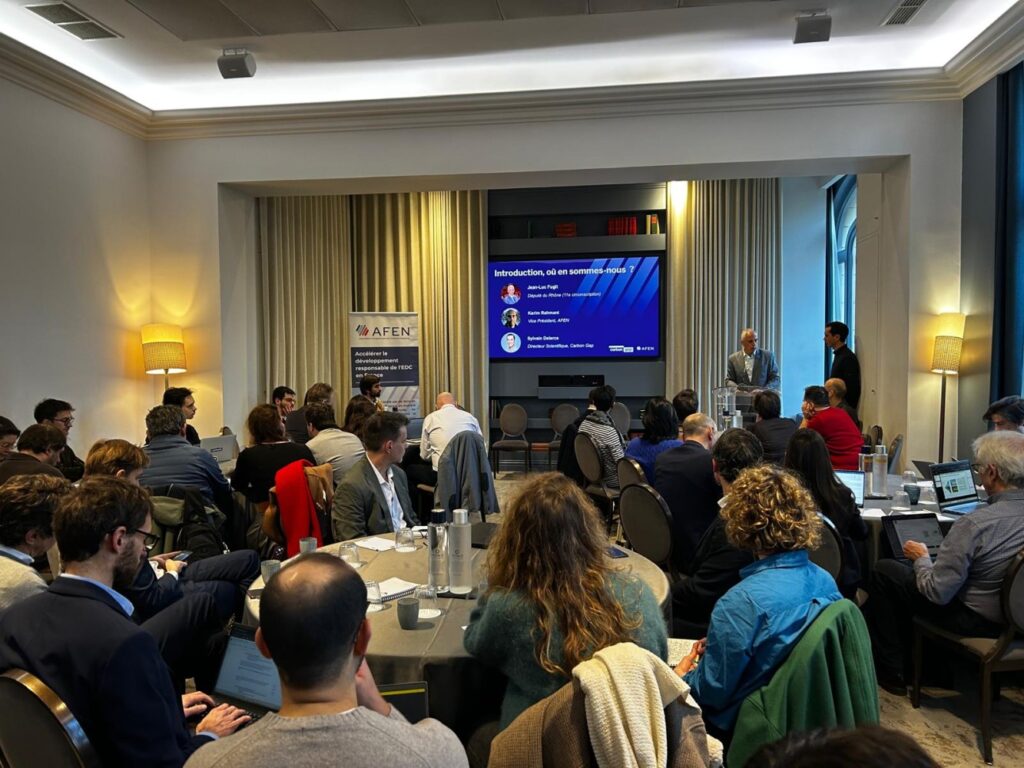
More than 50 participants—including lawmakers, researchers, industry representatives, and startups—came together to discuss ways to advance EDC in France. The agenda included:
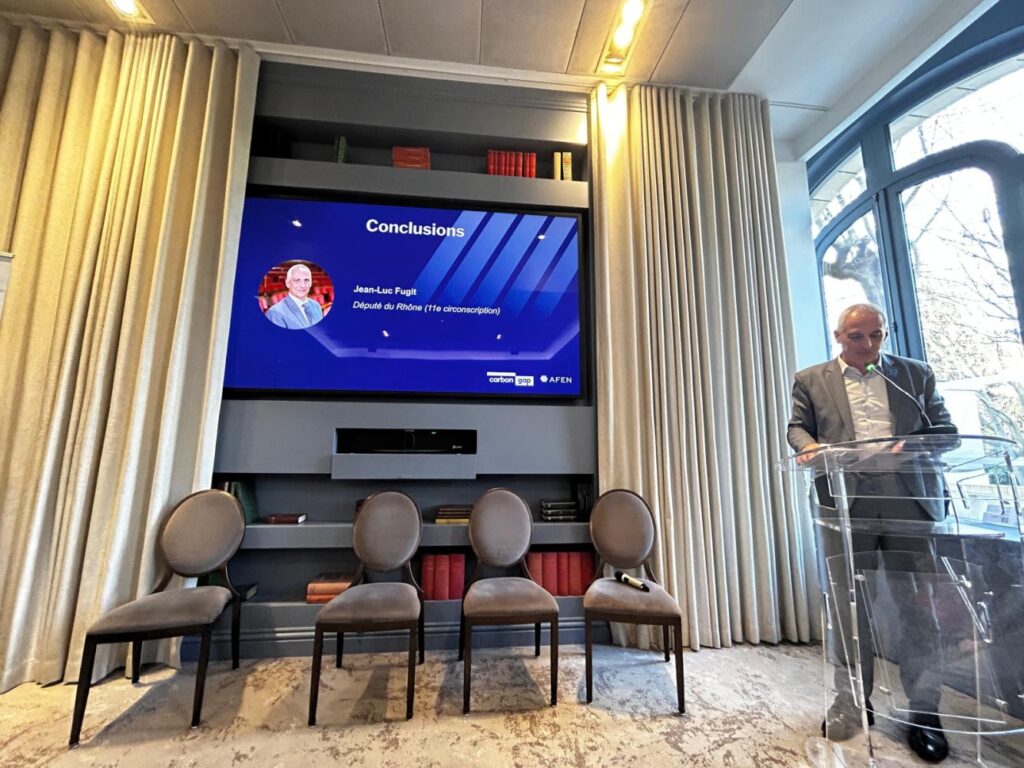
Jean-Luc Fugit (member of the National Assembly representing the Rhône department) opened the event by highlighting the climate emergency and the key role of the EDC in achieving carbon neutrality.
Mathilde Fajardy (AIE) and Axel Reinaud (NetZero) discussed the orders of magnitude involved and shared their perspectives on global challenges, noting that France has a major role to play.
A roundtable discussion featuring Sylvain Delerce (Carbon Gap), Julien Viau (DGEC), François Ravetta (CNRS), and Clément Tonon (High Commission for Planning) highlighted the following:
- European countries are leading the way: Germany, with a budget of €500 million earmarked for the EDC by 2033 and a structured national strategy, Sweden, a pioneer in public-private financing mechanisms; and the Netherlands, which has already incorporated EDC into its national climate plan with concrete targets and industrial support.
- Progress on the SNBC3, which incorporates EDC more extensively than its previous version, with increased use of technology pathways—a development that reflects the commitment to diversifying solutions to achieve carbon neutrality.
- Advances in French research, with recognized expertise, but a need for additional resources to scale up.
- The need for a holistic national strategy—a comprehensive vision that incorporates long-term planning and land-use planning—so that the EDC can become a truly coherent industrial project on a national scale.
«We must take a cue from our neighbors» structured approach, or we risk losing our technological sovereignty,” warned Sylvain Delerce, chief scientific officer at Carbon Gap.
Nine French Startups Making EDC a Reality
Startups are bringing these solutions to life, transforming EDC into a concrete industrial reality. Here are nine startups that are innovating today, with approaches that generate co-benefits for both ecosystems and economic sectors.
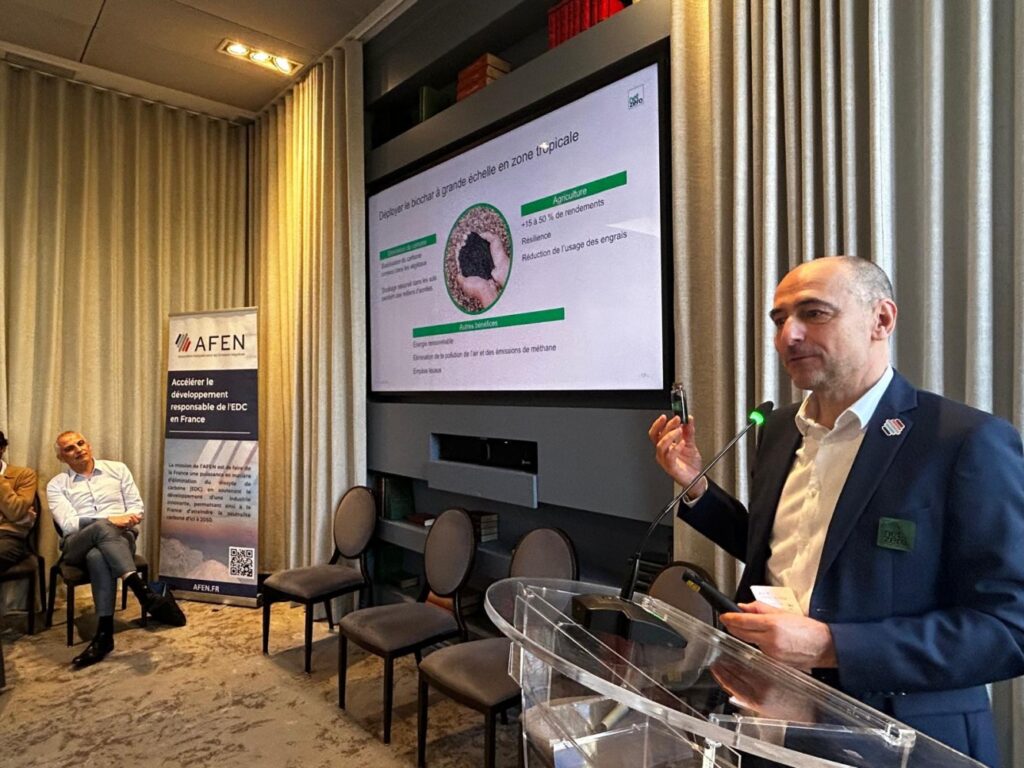
NetZero (Biochar): NetZero produces biochar from biomass, a solution that stabilizes the carbon contained in plants and stores it sustainably in the soil, while generating agronomic and ecological co-benefits. With six plants already operational worldwide, the company represents a mature industry. «Biochar is a large-scale carbon removal solution that is available today,» says Axel Reinaud, CEO and co-founder of NetZero.
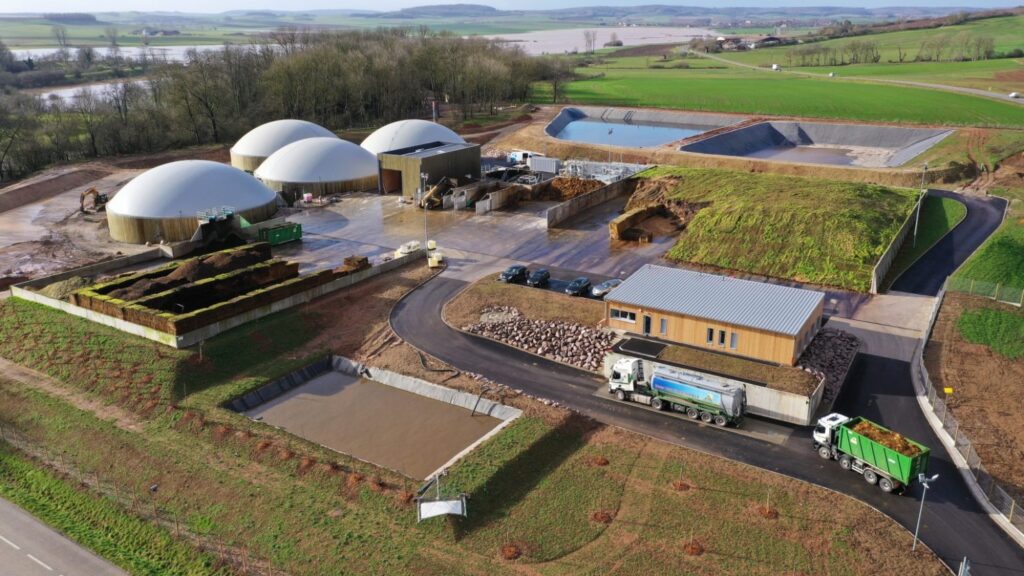
Carbon Impact (BECCS: Bioenergy with Carbon Capture and Storage): As an independent developer of negative-emissions solutions, Carbon Impact is capitalizing on biomethane’s significant potential to deploy BioCCS. Their pilot project in Nancy, with a capacity of 10,000 metric tons of negative emissions per year, demonstrates how EDC can be integrated into existing energy systems while decarbonizing regions.
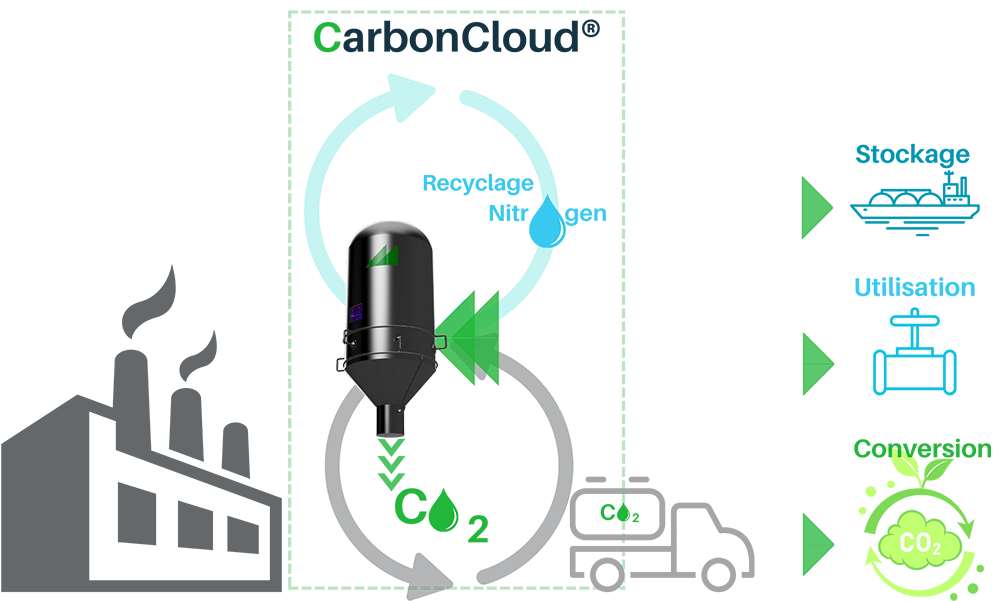
Revcoo (BECCS): Revcoo offers a cryogenic post-combustion CO₂ capture solution designed for diffuse industrial sources (industrial flue gases). Led by a team of experts from the oil & gas, petrochemical, and flue gas treatment sectors, the company is targeting a potential 1,000 industrial sites across Europe for installation. Their industrial pilot, deployed at a lime plant in the Hauts-de-France region, demonstrates their ability to rapidly scale up a key technology for carbon capture.
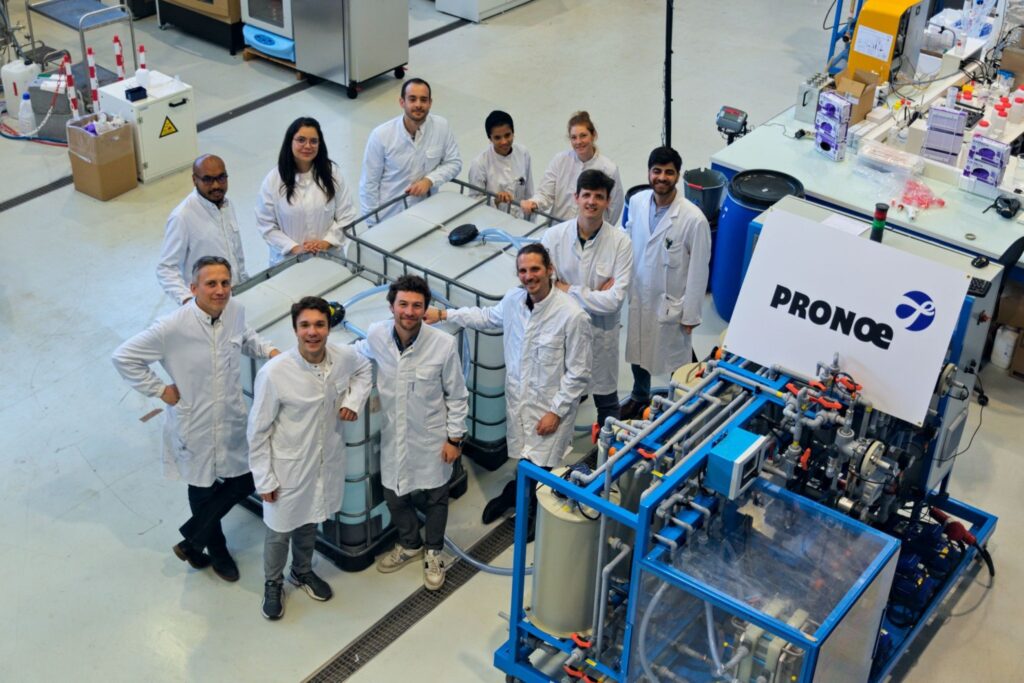
Pronoe (OAE – Ocean Alkalinization): Pronoe made headlines in 2026 by becoming the first French company to join the Frontier portfolio (backed by Google, Stripe, and Shopify), with a pre-purchase agreement for 500,000 $. Their ocean alkalinization technology enhances the seas’ natural ability to absorb CO₂ in a permanent and scalable way. In 2025, they commissioned their first industrial demonstrator in the Canary Islands, a key step toward an operational scale.
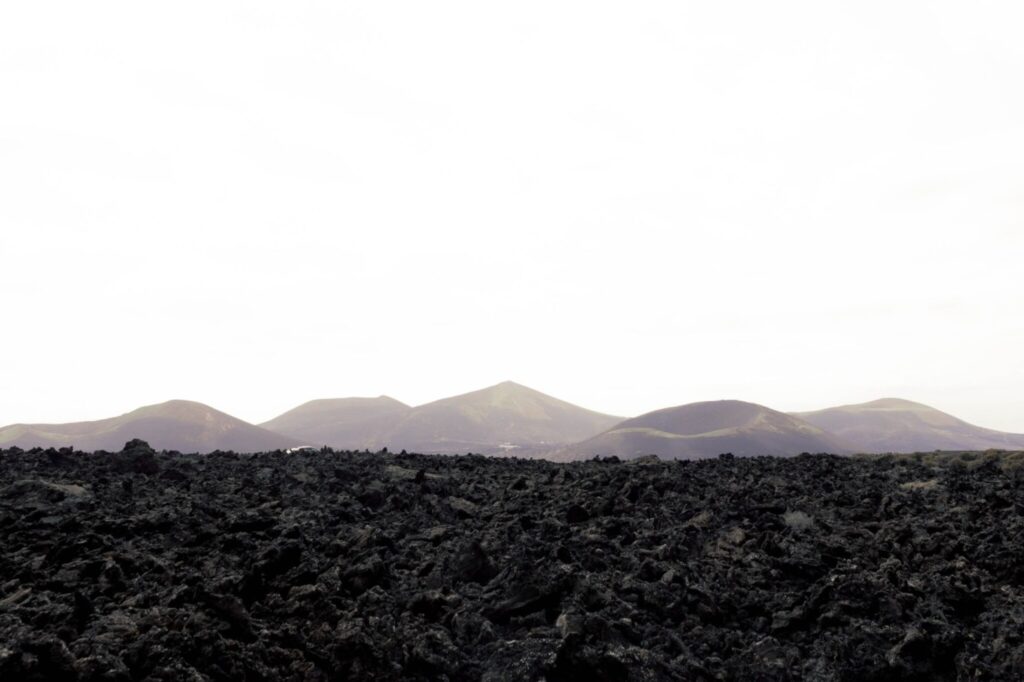
ClimeRock (ERW – Accelerated Rock Weathering): ClimeRock is rolling out ERW, a method that captures CO₂ while remineralizing the soil. In collaboration with local farmers, their projects in Brittany and several other regions of France offer a low-tech, low-cost, and scalable solution. «Farmers are our best allies: they see ERW as an opportunity for their soil, not as a burden,» emphasizes Co-Founder & CEO Arthur Chabot.
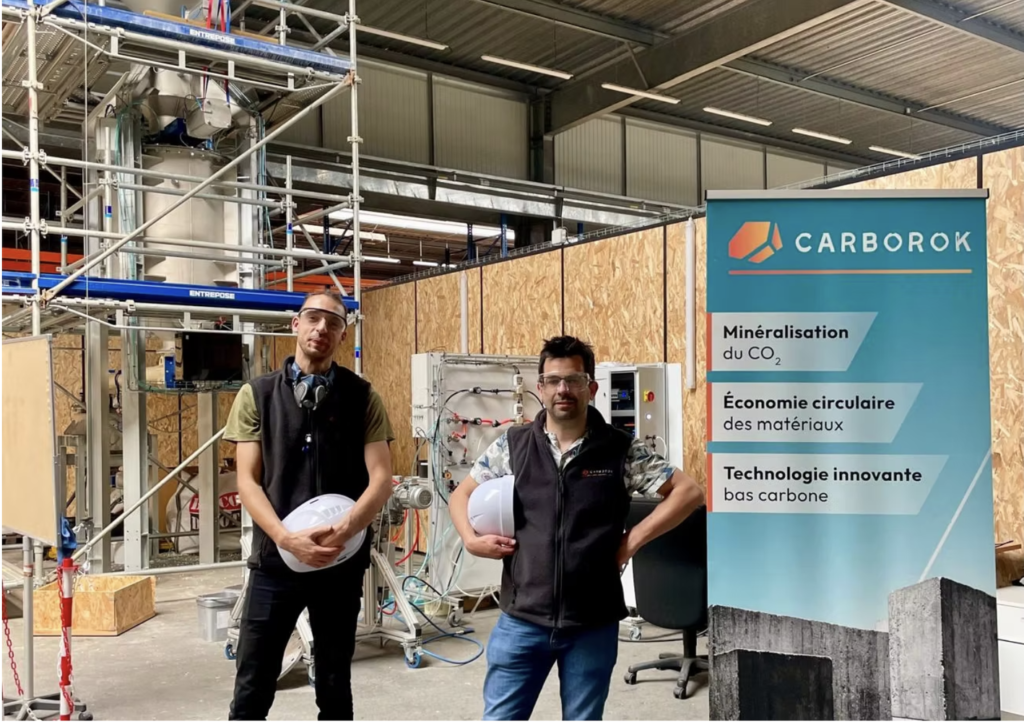
CarboRok (Mineralization): Specializing in CO₂ mineralization, CarboRok transforms industrial waste into solid carbon sinks, providing sustainable, local storage. Their technology also improves the properties of the treated materials (e.g., carbonating recycled concrete makes it stronger). Their pilot reactor for CO₂ mineralization in recycled concrete, located in Loire-Atlantique, exemplifies their circular and industrial approach.
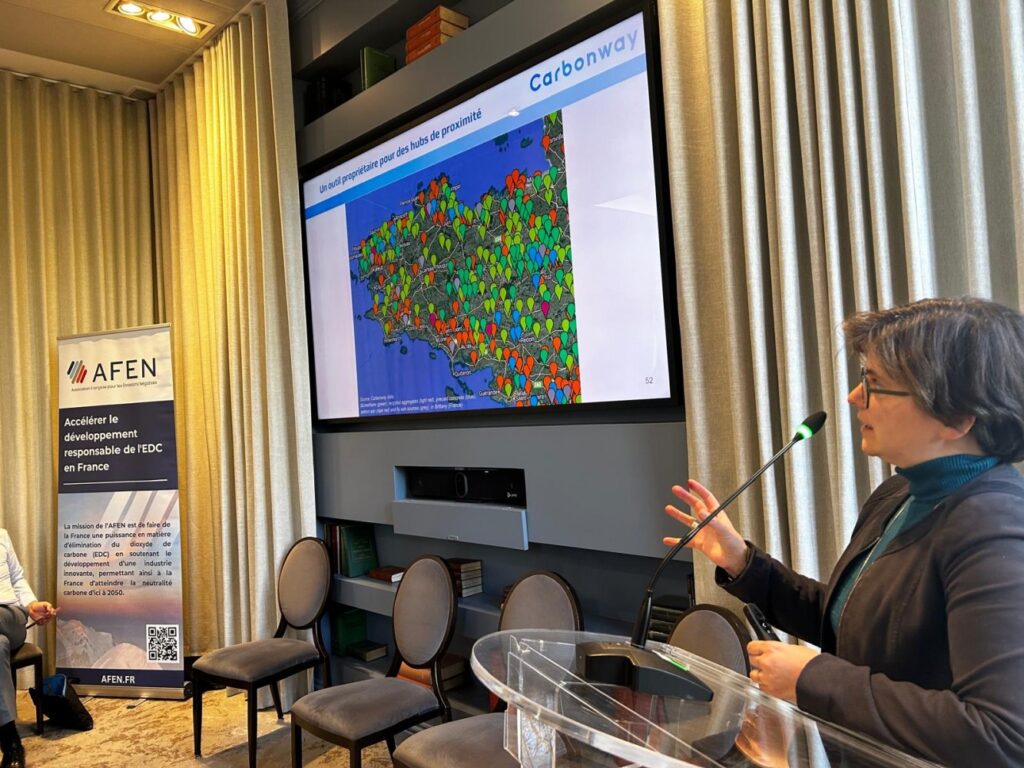
Carbonway (Mineralization): Carbonway develops solutions for the mineralization of biogenic CO₂ in precast concrete, reducing cement consumption while creating a high-performance carbon sink. «Our technology turns waste into resources while maintaining the mechanical performance of the materials,» explains Claire Renoulin, co-founder of Carbonway.
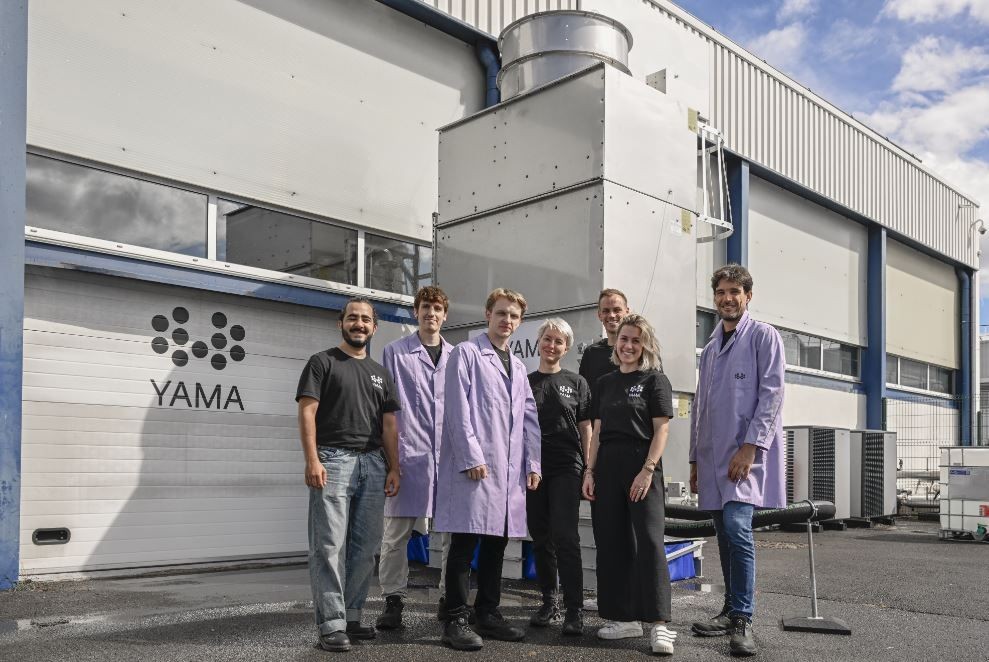
Yama (DAC – Direct Air Capture): Yama is developing an energy-efficient DAC (Direct Air Capture) system designed to be scalable and accessible. Their demonstration facility in Drancy has already captured 7 metric tons of CO₂, proving the feasibility of a French direct air capture industry. «DAC is a key solution for EDC, provided it can be made energy-efficient and economically viable,» notes Aurélie Gonzalez, Founder & CEO.
Norma (DAC): Norma is developing scalable, energy-optimized DAC technology. Selected by Milkywire (a program supported by Salesforce), the company is preparing an industrial demonstrator for 2027. «Our goal is clear: to make DAC competitive by 2030, so that it becomes a major driver of the carbon transition,» says Silvia Pugliese, Co-Founder & CTO of Norma.
The Call to Action: Making France's Ambitions a Reality
Despite undeniable technological momentum, the transition to industrial-scale carbon removal in France remains contingent on stronger political support. While the SNBC3 (National Low-Carbon Strategy) represents a step forward, the sector still suffers from an overly fragmented approach. To transform these laboratory successes into a truly self-sufficient industry, the time for isolated experimentation is over; what is needed now is a coherent, holistic strategy.
While neighboring countries such as Germany are sending strong signals through their budgets and direct support mechanisms, France must now establish a clear framework to support its companies as they scale up to an industrial level. This acceleration requires careful coordination with European initiatives, notably the CRCF (Carbon Removal Certification Framework) for certification and the ETS (Emissions Trading System) for integration into carbon markets.
«Everything is in place: the technologies, the stakeholders, and the regions. What’s needed now is the political will to drive this movement forward,» Jean-Luc Fugit emphasized in conclusion.
The ball is now in the government’s court: only strong, coordinated political will can drive this movement forward and make France a global leader in EDC.
