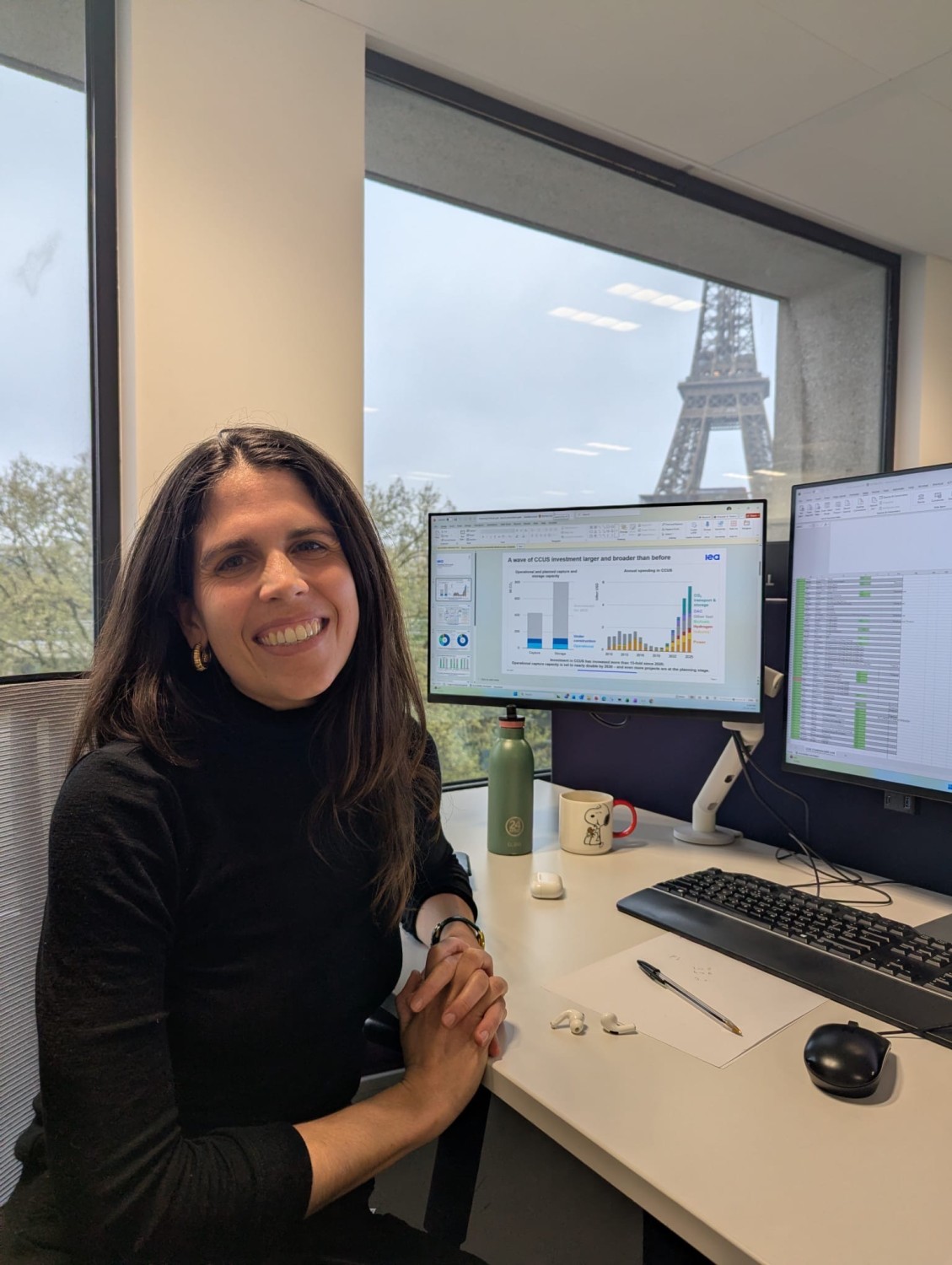
Mathilde Fajardy has joined AFEN (French Association for Negative Emissions) as scientific director in April 2026. A native of Lille, she currently lives in Paris. We spoke with her to better understand her career path and her outlook.
A career dedicated to making a tangible impact
«My desire to contribute to a more sustainable world began in middle school, when I read Barjavel’s science fiction novel *Ravage*.»
To turn this belief into concrete action, I decided to pursue an engineering degree in Paris, specializing in the energy sector.
Five years of research between Imperial College and Cambridge
After completing my master’s degree, I did an internship in London at Center for Environmental Policy at Imperial College with Professor Niall Mac Dowell, a professor of energy systems and a recognized expert in carbon management. This internship led to a PhD opportunity, thanks to Imperial College’s Presidential Fellowship. It was an honor to be selected as a recipient and to receive this prestigious support for my research.
«Even back then, climate change was a major source of motivation for me. I read the IPCC reports and couldn’t understand why the people around me weren’t more alarmed.»
The IEA: «Providing data» to government agencies
I spent five years doing research in the UK—first at Imperial College for my dissertation, then at Cambridge for a postdoc focused on modeling the energy transition in the UK. Then I felt the need to connect my work more closely with practical decision-making. I returned to France to join the’International Energy Agency (IEA), the world’s leading authority on energy issues, to play a role at the intersection of scientific research and public policy development.
The IEA’s mandate is to advise governments on ensuring reliable, affordable, and sustainable energy. As part of this mandate, it publishes annual energy transition scenarios that assess the contribution of each energy source and technology across various emissions pathways. In its carbon-neutral scenario for 2050, the IEA incorporates carbon dioxide removal (CDR) as an essential lever, both to address residual emissions from sectors that are difficult to decarbonize and to remove historical emissions already present in the atmosphere.
«At the IEA, my goal was to turn scientific expertise into a tool for decision-making. The aim was to use research to inform public policy in order to roll out these programs on a large scale.»
As the lead technical expert on carbon management, I oversaw data analysis to guide discussions and inform public policymakers. In particular, I championed the emerging field of EDC to integrate these solutions into national strategies and multilateral initiatives.
April 2026: Taking Action with AFEN
After four and a half years at the IEA, I am delighted to join AFEN and to shift from multilateralism to more concrete action, focusing my efforts on a single country. There has been a real shift in France: French government agencies are now taking an interest in these issues, which also reflects the work AFEN has done over the past two years.
On a personal level, I define myself by the impact I can make, and the breadth of my experience—from research to multi-governmental consulting, and now to hands-on work in France—is leading to a more tangible impact.
EDC: A unique opportunity to work in an emerging field
What motivated me to work on carbon dioxide removal (CDR) was, first and foremost, the fact that there was little research on the subject at the time, and therefore many unanswered questions about the role and potential impacts of these approaches.
2015: A Turning Point for the EDC
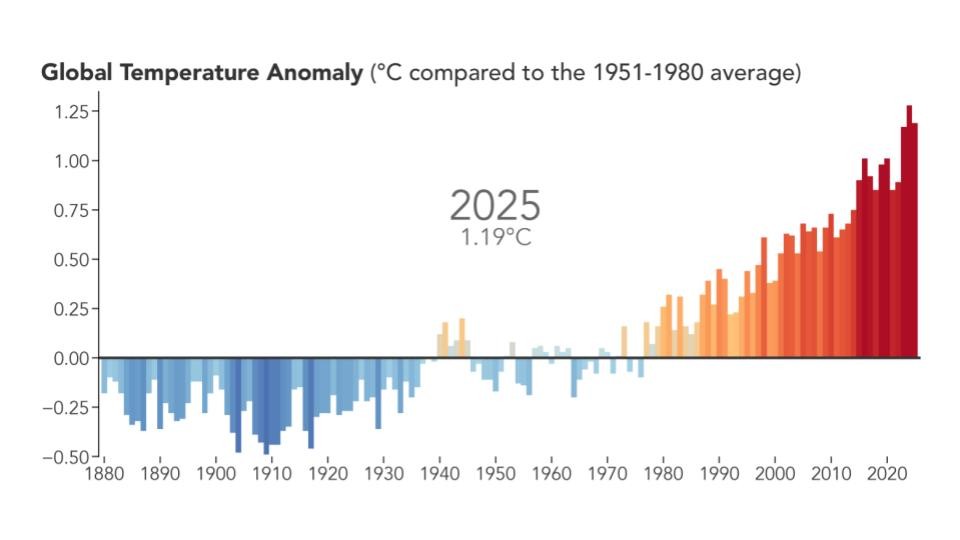
I began to focus on this topic around the time of the release of the IPCC’s (Intergovernmental Panel on Climate Change) Fifth Assessment Report, in late 2014, which for the first time incorporated technological carbon removal approaches into large-scale models. This report truly marked a turning point by highlighting the necessity of carbon removal to achieve the most ambitious climate goals, although the primary role remains the reduction of emissions.
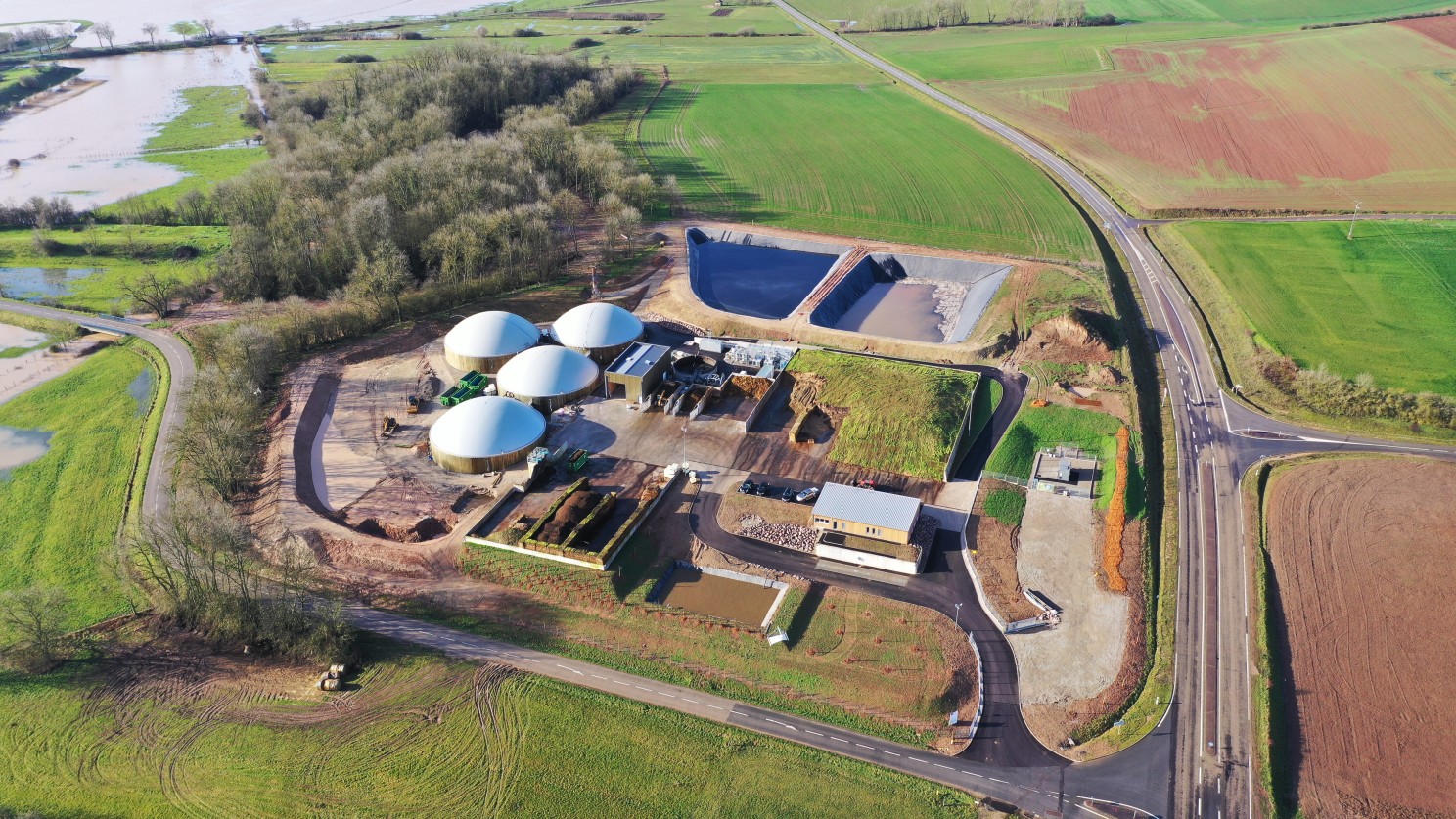
It is important to note that the IPCC has three working groups: on climate science, on the impacts of climate change, and on mitigation options. It is within this last group that the IPCC began to consider BECCS (bioenergy with carbon capture and storage) approaches, a technology that combines the capture of CO₂ from biogenic sources—such as power plants that convert biomass into heat or electricity—with its permanent storage. Since biomass has previously absorbed CO₂ from the atmosphere during its growth through photosynthesis, the capture and permanent storage of this carbon fall under CDM.
BECCS: A Foundational First Step
BECCS was the first technological carbon sink approach considered by IPCC scientists, and the easiest to incorporate into models, since bioenergy was already being modeled. But its inclusion also raised many questions: Can this technology be deployed on this scale without impacting ecosystems?
My thesis sought to provide answers by examining various BECCS value chains—both the most effective and the least effective—and exploring ways to avoid negative impacts, particularly by ensuring the sustainability of biomass and the efficiency of its production and conversion.
«BECCS is a sustainable and effective carbon sink approach when it is based on agricultural residues or on growing crops on low-value land, without conflicting with food production.»
EDC: A Mathematical Necessity
«These five years of research at Imperial College and the University of Cambridge have allowed me to develop not only expertise but also a strong conviction in the field of EDCs.»
Given my specialization in the energy sector, I am, of course, convinced that reducing fossil fuel emissions is a top priority, but I also recognize the mathematical necessity of EDCs to achieve the Paris Agreement’s climate goals, which are extremely ambitious.
The fundamental role of public authorities
In the United Kingdom, an early commitment to EDC strategies
My time at Imperial and Cambridge gave me a unique perspective on these issues, which the United Kingdom incorporated into its research priorities at a very early stage.
In the United Kingdom, as early as 2016, there was significant collaboration between the research community and the government on the topic of EDCs; I myself have presented on this topic several times at government ministries. The country adopted the concept of technological carbon sinks long ago, likely because its potential for developing natural sinks is more limited than in other European countries, but because it possesses geological storage capacity in the North Sea.
These storage capacities in offshore natural gas wells have been part of the UK’s strategy for several decades, first as an asset for carbon capture and storage, and later as a driver for the development of energy storage companies.
«This close collaboration between research, industry, and government has enabled the United Kingdom to make rapid progress and develop a coherent vision.»
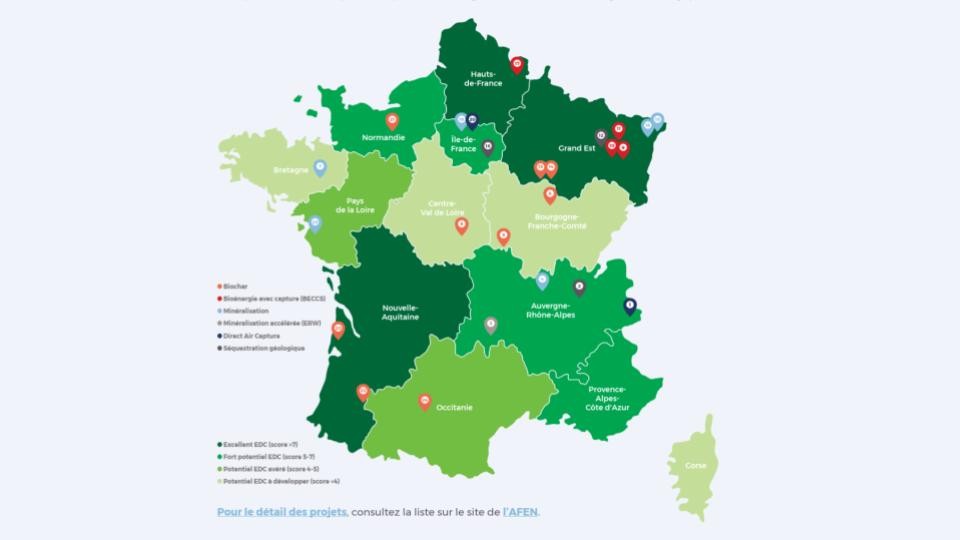
Carbon sinks in France: moving toward a more diverse range of approaches
In France, the abundance of natural carbon sinks has long led governments to believe that there would be no need to rely on technological solutions. But this view has evolved, particularly with the latest draft of the National Low-Carbon Strategy (SNBC), which confirmed the role of both natural and technological carbon sinks in achieving carbon neutrality by 2050, as the country has committed to doing.
“Be cautious, but also take action”
«It is essential to me that this development be carried out in a sustainable manner, with strong safeguards in place.»
This framework is very important for EDCs, so that the sector can develop in a way that is good for the climate and good for ecosystems. In fact, AFEN has drafted an ethical charter based on sound scientific principles, which I have signed, along with all the directors, partners, and members of the association.
«France already takes a very cautious approach. That’s good—we need to be cautious. But we also need to take action, because climate change won’t wait.»
In conclusion: fostering leading French companies
My vision, together with the teams and members of AFEN, is to ensure the sustainable development of the sector in France. This involves supporting French companies, startups, and SMEs that adopt innovative and effective approaches. Among our members, some teams are developing high-impact solutions; we must create the conditions for scaling them up, and we must do so in a French way: rigorous, well-structured, and mindful of the social and environmental ecosystem.